
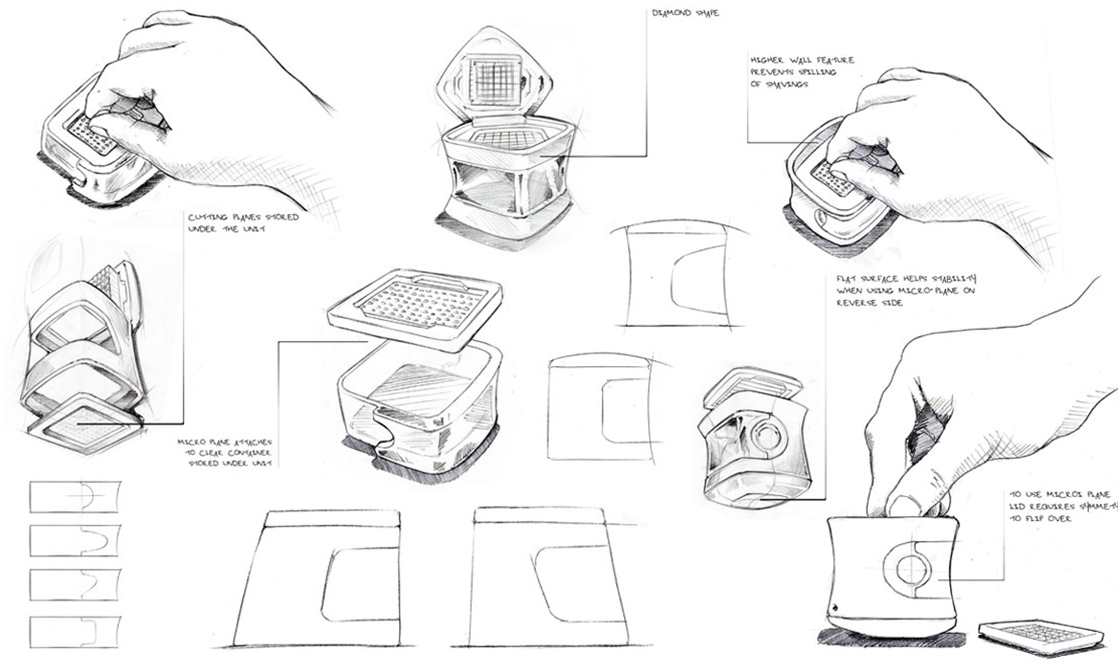
Strategically Protecting Industrial Design
In today’s fiercely competitive landscape, the outward appearance of a product often plays a pivotal role in capturing market share. Industrial design – the tangible aesthetic features of a product – can distinguish it in an increasingly saturated marketplace. For HAVIP Co., Ltd. perspectives, understanding and seizing the benefits of design registration in 2025 is essential to securing competitive advantage, protecting corporate reputation, and supporting long-term business growth.
What Constitutes an Industrial Design?
Definition & Scope
Generally, an industrial design may involve two- or three-dimensional elements – shape, pattern, configuration, surface ornamentation – but not technical or functional features. For example, while a mechanical hinge serves a purpose, its ornamental casing may be registerable as an industrial design.
Novelty & Originality Requirements
Legally, a design must be new (not publicly disclosed prior to application) and original (with individual character, distinguishable from existing designs). Southeast Asian jurisdictions adhere to novelty and individual-character standards, with parallel requirements in other major markets.
Registration vs. Unregistered Designs
Some jurisdictions afford limited protection for unregistered designs – for example, the EU’s unregistered community design offers a 3-year shield – but enforceability is weaker. To assert rights beyond preliminary protection, registration remains essential.
Exclusive Rights & Enforcement Mechanisms
Legal Monopoly Over Design Use
Upon registration, the right holder gains the exclusive legal right to produce, sell, import, or license products bearing the registered design.
Judicial Remedies & Enforcement
Registered rights empower design owners to initiate legal action for infringement – seeking remedies such as injunctions, damages, and in some jurisdictions, statutory penalties.
Burden of Proof & Notice Requirements
Proper marking (e.g., “Registered Design No. ___”) enhances enforceability and informs potential infringers. Failure to mark may hinder recoverable damages for infringement.
Risks of Non‑Registration
- Unenforceable Rights: Without registration, legal protection is limited or nonexistent.
- Revenue Losses: Knock‑offs undermine sales and dilute brand integrity.
- Inability to License: Without a clear right, monetization via licensing is legally weak.
- Weaker Market Negotiations: Registered IP strengthens deal positions with investors and partners.
Business & Commercial Advantages
Competitive Differentiation
A unique registered design establishes clear product distinctions in the market, making knock-offs legally infringing and easier to challenge.
Brand Recognition & Market Impact
Distinct visual identity supports brand loyalty and recall – mirroring iconic design protections like the Coca‑Cola bottle – that continuously build brand equity.
Intangible Asset & Valuation
Recognized as an intangible asset, a registered industrial design enhances corporate valuation – attractive to investors, licensees, and potential buyers.
Licensing & Monetization
Right holders may license or assign designs for royalties, sharing innovation while retaining IP ownership.
Market Expansion Assurance
Design registration supports branching into new jurisdictions without compromise, aided by structures such as national filings, EU registration, and international systems.


