
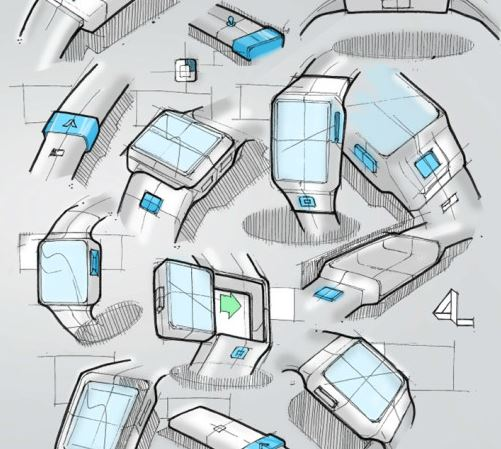
Do Industrial Designs Take Effect Globally?
As markets grow more interconnected and design becomes a central feature of product differentiation, industrial design protection is no longer optional, it is a legal and commercial necessity. In this article, we will help you explore the scope and limitations of industrial design protection across borders, delves into international treaties and cooperation mechanisms, and provides practical guidance on securing comprehensive design protection.
Understanding the Nature of Industrial Design Protection
An industrial design refers to the ornamental or aesthetic aspects of a product, including shape, configuration, pattern, or color, which appeal to the eye. Protected under design laws, these features must be novel and original to be eligible for registration.
Industrial design rights are territorial in nature, which means they are only enforceable in the jurisdiction where protection is granted. This territoriality principle continues to hold true in 2025, although international mechanisms increasingly facilitate multi-jurisdictional protection.
Limitations of National Design Registrations
While a national registration provides exclusive rights within a specific country, it does not grant automatic global protection. A registered design in Vietnam, for example, offers no enforceable rights in the United States, the European Union, or Japan unless separately applied for in those regions.
Infringements occurring in countries where the design is not registered cannot be remedied through legal proceedings. Thus, to safeguard commercial interests, businesses must adopt a multi-jurisdictional strategy aligned with their market expansion plans.
The Role of International Treaties
In response to the limitations of national systems, various international treaties, and agreements have been developed to facilitate global protection of industrial designs. These include:
The Hague System for the International Registration of Industrial Designs
Managed by the World Intellectual Property Organization (WIPO), the Hague System allows applicants to seek protection in multiple countries through a single international application. As of 2025, over 90 jurisdictions are members, including the European Union, the United Kingdom, the United States, Japan, South Korea, Myanmar, Cambodia, and Vietnam.
Key Benefits:
- Centralized filing process.
- Simplified management (renewal, transfer, modification).
- Cost-effective alternative to multiple national filings.
However, it is essential to recognize that design rights under the Hague System are still subject to substantive examination and approval by each designated country according to its laws.
The Paris Convention for the Protection of Industrial Property
The Paris Convention provides a priority right of 6 months for industrial design applications. If a design is first filed in one member country, the applicant has 6 months to file in other member countries while maintaining the priority date of the first application.
This principle is crucial for designers seeking to establish early filing dates across multiple jurisdictions, thereby preventing third parties from exploiting time gaps in protection.


