
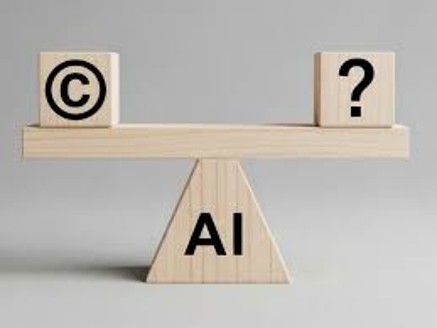
ARTIFICIAL INTELLIGENCE & COPYRIGHT PROTECTION FREQUENTLY ASKED QUESTIONS
The rapid development of artificial intelligence (“AI”) systems is fundamentally transforming the way content is created across various fields, including science, music, film, publishing, design, digital communications, and others. Against this backdrop, determining intellectual property rights in works created with the involvement of AI has become an increasingly pressing legal issue. In Vietnam, frequently asked questions concerning this matter include the following:
Q: Is a work created entirely by AI, with no human creative contribution, eligible for copyright protection?
A: No. Where a user merely enters a simple prompt and allows the AI system to independently complete and automatically generate the entire output, without any further selection, modification, or significant creative direction by the user, there may be insufficient grounds for copyright to subsist in such work. (Article 5a of Decree No. 17/2023/ND-CP, amended by Decree No. 134/2026/ND-CP))
Q: Is a work created with the assistance of AI eligible for copyright protection?
A: Yes. A work created with the assistance of AI may be eligible for copyright protection provided that all applicable conditions under Article 5a of Decree No. 17/2023/ND-CP (amended by Decree No. 134/2026/ND-CP) are satisfied. The key principle is that AI may be used as a tool, but humans must make significant and decisive contribution in creating works
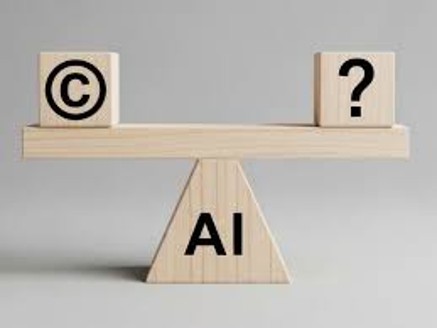
Q: What are the conditions for a work created with the assistance of AI to be eligible for copyright protection?
A: Copyright and related rights in a work created with the use of an artificial intelligence system by a human shall arise only where all of the following conditions are satisfied:
- The human makes a substantial and decisive contribution to the creation of the work;
- The human assumes responsibility for the content and legality of the subject matter; and
- The creation or use of the work does not prejudice copyright or related rights.
Q: Who is the author of a work created with the assistance of AI?
A: Under current Vietnamese law, AI is not recognized as the author of a work. Similarly, a person who writes a prompt does not automatically qualify as the author. The determination of authorship in a work created with the assistance of AI primarily depends on the extent of the human’s creative contribution during the creation process, rather than merely on whether such person is the user of an AI tool.
Accordingly, the following distinctions should be made:
- AI independently generates the work without significant human creative contribution: There is no “author”, within the meaning of copyright law, in respect of the portion autonomously generated by AI.
- A human uses AI as an assisting tool: A person who makes a direct and genuine creative contribution to the work may be recognized as the author in respect of the creative elements contributed by that person.
- Multiple persons make creative contributions: Co-authorship may arise, depending on the extent and nature of each person’s contribution.
Q: What documents may be used to evidence human creative contribution to a work created with the assistance of AI?
A: Supporting documents may include:
- Input data, technical parameters or design documentation in relation to computer programs, drafts, intermediate versions, and records of modifications made during the creative process;
- Prompt history, interaction data, and technical parameters; and
- Documents describing the creative process or other lawful materials demonstrating the intellectual contribution and human control over the creation process.
Sources and References
- Decree No. 134/2026/ND-CP dated 6 April 2026
- Decree No. 17/2023/ND-CP dated 26 April 2023
If you are experiencing difficulty or confusion applying the new regulations concerning creative works assisted by AI, or any other intellectual property subject matter, please contact HAVIP for a free consultation.


